
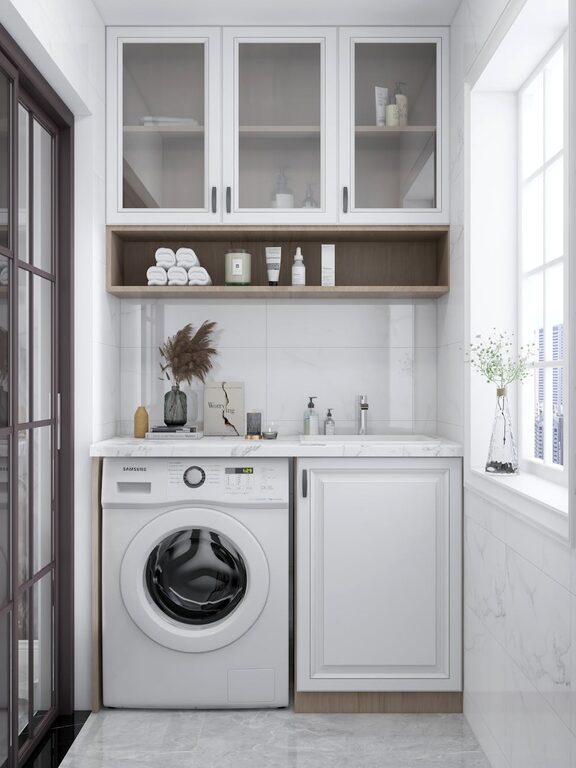
Creating a serene and peaceful environment in your home starts with the right color choices. Calm colors can transform your living space into a soothing retreat, helping to reduce stress and promote relaxation. But with so many color options available, how do you choose the perfect calm hues for your home? In this post, we’ll explore practical tips to help you select calm colors that suit your style and space.
Why Choose Calm Colors?
Colors influence our mood and atmosphere more than we often realize. Calm colors—like soft blues, muted greens, gentle grays, and warm neutrals—have the power to create a tranquil environment. They can make a room feel more spacious, airy, and inviting. Whether you’re looking to refresh your bedroom, living room, or any other area, calm colors help establish a sense of balance and peace.
Tips for Choosing Calm Colors
1. Understand Color Psychology
Before picking colors, it’s helpful to understand how different shades impact emotions:
– Blue: Often associated with calmness and stability; great for bedrooms and bathrooms.
– Green: Represents nature and renewal; perfect for living areas and kitchens.
– Gray: Neutral and balanced; works well in any room, providing a modern touch.
– Beige and Soft Browns: Warm and comforting, ideal for cozy spaces.
– Lavender and Soft Pink: Gentle and soothing, suitable for bedrooms or reading nooks.
Having this knowledge makes it easier to select hues that align with the atmosphere you want to create.
2. Consider the Room’s Purpose
Different rooms benefit from different calm colors based on their function:
– Bedroom: Soft blues, lavenders, or light greens can foster restful sleep.
– Living Room: Warm neutrals and gentle greens encourage relaxation and social interaction.
– Bathroom: Clean and cool blues or gray tones evoke freshness and calm.
– Home Office: Muted greens or soft grays help concentration without feeling too sterile.
Choose colors that enhance the activities you’ll do in each room.
3. Test Samples Before Committing
Paint colors can look very different depending on lighting and surrounding decor. Always test a few samples on the walls before painting an entire room. Paint swatches or sample pots allow you to observe colors at different times of the day and under various types of light (natural, LED, incandescent).
4. Embrace Neutrals with a Twist
Neutrals are a safe calm color choice, but they don’t have to be boring. Try shades like warm greiges, creamy whites, or soft taupes as your base. They provide a calm backdrop that complements nearly any style and allow you to incorporate accent colors easily through furniture and accessories.
5. Use Color Combinations
Sometimes, pairing two or more calm colors creates depth without overwhelming the senses. For example:
– Pale blue walls with soft beige accents
– Muted green with light gray trim
– Warm taupe and creamy white together
Using a color palette strengthens the feeling of calm while adding subtle visual interest.
6. Consider Matte or Satin Finishes
The finish of your paint can affect the mood as well. Matte and satin finishes absorb light rather than reflecting it, which tends to enhance the softness of calm colors. Glossy finishes, on the other hand, can feel sharper and more energetic. For a peaceful space, opt for matte or satin.
7. Coordinate with Lighting
Lighting can dramatically change how colors appear. Natural light makes colors look brighter and cooler, while artificial light can add warmth or cast shadows. If your room has limited natural light, choose warmer calm colors to avoid feeling cold or dark. In bright spaces, cooler tones like blues and greens work well and keep the room feeling fresh.
8. Balance Color with Texture and Materials
Colors are just one element of calm design. Incorporate soft textures, natural materials, and simple patterns to complement your calm color scheme. For example, linen curtains, wooden furniture, and plush rugs add warmth and comfort without competing with your soothing hues.
Final Thoughts
Choosing calm colors for your home is a great way to create a stress-free environment where you can unwind. Keeping in mind the psychology of colors, room purpose, lighting, and finishing touches will help you make choices that not only look beautiful but also feel right. Remember to take your time with samples and think about how you want to feel in each space. With the right calm color palette, your home can truly become a peaceful haven.
—
We hope these tips inspire you to create a relaxing atmosphere with calm colors. Happy decorating!