
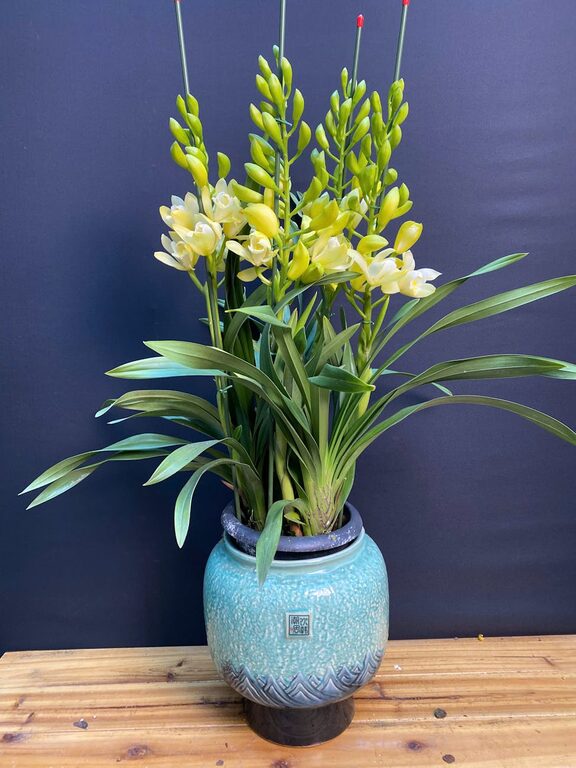
Bringing houseplants into your home adds beauty, fresh air, and a touch of nature indoors. Whether you’re a beginner or an experienced plant lover, keeping your plants healthy can sometimes feel challenging. Fortunately, with a few simple steps, you can help your indoor greenery thrive for years to come. In this post, we’ll explore practical tips on watering, lighting, soil, and more to support the health of your houseplants.
Understanding Your Houseplant’s Needs
Every plant species has unique requirements, but a few general principles apply across the board. Knowing your plant type helps tailor care to its specific needs.
– Research Your Plant: Identify your plant species to learn about its ideal light, water, and soil conditions. Plant tags or a quick online search can often provide this info.
– Observe Your Plant: Leaves that yellow or brown, droopy stems, or poor growth can be signs your plant needs adjustments in care.
Watering Tips: Less Is Often More
Watering is one of the most common challenges for plant owners. Overwatering or underwatering can harm your plants, so it’s important to strike the right balance.
How to Water Correctly
– Check Soil Moisture: Before watering, stick your finger about an inch into the soil. If it feels dry, it’s time to water.
– Water Evenly: Pour water slowly until it starts to drain from the bottom of the pot. This ensures roots get enough moisture without sitting in excess water.
– Avoid Overwatering: Too much water can lead to root rot. Make sure pots have drainage holes.
– Establish a Routine: Most houseplants do well with watering every 1-2 weeks, but adjust based on your plant’s needs and environment.
Light Matters: Find the Right Spot
Light is essential for photosynthesis and overall plant health. Placing your plants in the right lighting condition makes a big difference.
– Know Your Plant’s Light Preference:
– Low Light Plants: Snake plants, pothos, and philodendrons tolerate shade.
– Medium Light Plants: Spider plants and peace lilies prefer indirect light.
– Bright Light Plants: Succulents and cacti thrive in direct sunlight.
– Rotate Regularly: Turn plants every week so all sides get light and grow evenly.
– Use Artificial Lights: If natural light is limited, consider LED grow lights as a supplement.
Choosing the Right Soil and Pot
Good soil and an appropriate pot contribute to strong root growth and plant health.
– Use Quality Potting Soil: Avoid garden soil, which may be too heavy or contain pests. Choose soil depending on your plant type, such as cactus mix for succulents.
– Repot When Needed: If roots grow out of the drainage holes or the plant becomes crowded, it’s time to repot.
– Pick Pots with Drainage: Ensure your containers have holes at the bottom to prevent waterlogging.
Feeding Your Plants: Fertilizing Basics
Plants need nutrients to grow well. Fertilizing provides important minerals that might be missing from potting soil.
– Choose the Right Fertilizer: Look for balanced houseplant fertilizers or those formulated for specific plants.
– Follow Instructions: Use fertilizer at the recommended strength to avoid burning roots.
– Fertilize During Growing Season: Typically spring and summer, when plants are actively growing, are the best times.
Maintain Humidity and Cleanliness
Indoor air can be dry, especially in winter, which affects tropical plants that prefer humidity.
– Increase Humidity: Use a pebble tray with water, mist leaves with water, or use a humidifier nearby.
– Clean Leaves Regularly: Dust can block light and attract pests. Wipe leaves with a damp cloth occasionally.
Keep an Eye Out for Pests and Diseases
Healthy plants are less prone to pests, but it’s good to inspect your plants regularly.
– Common Pests: Aphids, spider mites, and mealybugs.
– Early Detection: Check under leaves and along stems.
– Natural Remedies: Rinse plants with water or use insecticidal soap if necessary.
Create a Consistent Care Routine
Consistency is key for healthy houseplants. Set reminders to water, fertilize, and check plants regularly so they don’t get neglected.
—
By understanding the specific needs of your plants and providing proper care, you can enjoy lush, thriving houseplants that brighten your home. Remember, plant care is a learning process—each plant may teach you something new. Happy planting!