
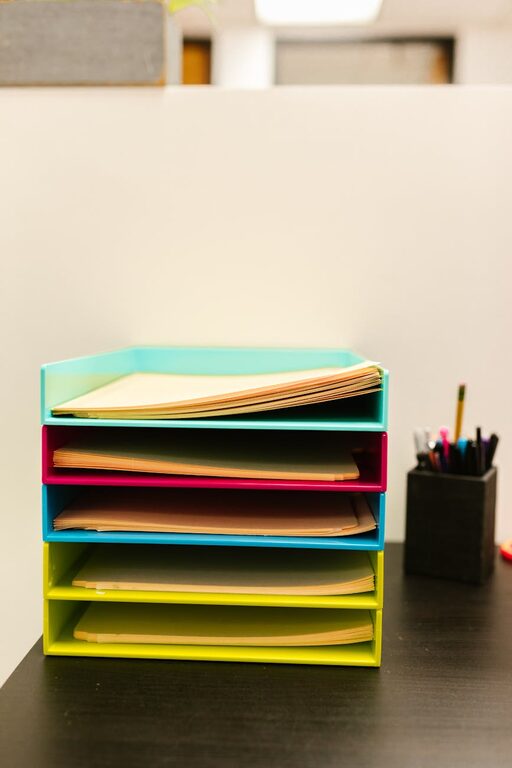
Reducing paper clutter at home is a common challenge that many people face. Paper tends to accumulate quickly, from mail and bills to receipts and schoolwork, creating piles that can feel overwhelming. The good news is that with some simple habits and organization systems, it’s possible to keep paper under control and create a more peaceful living space.
In this post, we’ll explore practical ways to reduce household paper clutter, make paper easier to manage, and maintain a clutter-free home.
Why Paper Clutter Happens
Before diving into solutions, it’s helpful to understand why paper clutter tends to build up:
– Paper is everywhere: Mail, flyers, receipts, bills, school papers.
– It arrives constantly and demands attention.
– It’s easy to procrastinate dealing with it.
– Lack of organization systems often leads to piles.
Recognizing these patterns can help you break the cycle and create lasting change.
Step 1: Tackle Incoming Paper Mindfully
The first line of defense against paper clutter is managing what comes into your home.
Sort Mail Immediately
As soon as you bring in mail, sort it into categories:
– Urgent: Bills and time-sensitive documents
– To read: Magazines, newsletters
– Recycle: Junk mail, flyers, unneeded ads
Deal with urgent items immediately by paying bills or filing related documents. Recycle unnecessary papers without delay to avoid pileups.
Opt for Digital Statements
Where possible, switch to electronic bills, bank statements, and newsletters. This can reduce the amount of physical paper arriving and simplify your paperwork.
Use a Designated Mail Station
Set up a spot near the entrance for mail and important papers. Having one place to handle mail daily will help reduce scattered papers.
Step 2: Organize and Store What You Need
Keeping what’s important neat and accessible makes a big difference.
Use Filing Folders or Boxes
Create simple categories for the paper you want to keep, such as:
– Bills and invoices
– Tax documents
– Medical records
– Receipts for warranties or returns
– School and activity papers
Choose a filing system that fits your space — a portable box, desktop file organizer, or wall-mounted folders.
Label Everything Clearly
Label folders or sections clearly to make it easy to file papers and find them when needed.
Limit How Long You Keep Papers
Set rules for how long you keep documents. For example, keep bills for one year unless needed for taxes. Regularly review folders and shred outdated papers.
Step 3: Digitize Important Documents
Going digital helps reduce physical clutter while preserving copies.
Scan and Save Files
Use a scanner or phone app to digitize receipts, documents, and papers you want to keep. Save them in organized folders on your computer or cloud storage.
Backup Your Files
To avoid losing important files, regularly back up your digital documents to an external drive or secure cloud service.
Maintain Digital Order
Just like physical files, digital files need organization. Use consistent naming and folder structures for easy access.
Step 4: Create Daily and Weekly Paper Habits
Small routines prevent clutter from building up.
Daily Quick Sort
Spend 5–10 minutes daily sorting mail and papers. Recycle junk and deal with urgent items right away.
Weekly Filing Session
Set aside a weekly time to file away papers and digitize any documents.
Clear Surfaces Regularly
Keep desks and counters free from paper accumulation by clearing them daily.
Step 5: Manage Kids’ School Papers Creatively
If you have children, paper clutter can build quickly with artwork, homework, and notices.
Display and Rotate Artwork
Use a bulletin board or wire display to showcase their favorite creations temporarily. Rotate items regularly and save only special pieces.
Use a Portfolio or Binder
Collect important school papers and artwork in a labeled binder or portfolio for each child.
Digitize and Share
Take photos or scans of artwork and projects. You can create digital albums or share them with family.
Step 6: Recycle and Shred Responsibly
Proper disposal of paper is an important part of managing clutter.
Have a Recycle Bin Nearby
Keep a recycling bin close to your workspace or mail station to make it easy to discard unwanted papers immediately.
Shred Sensitive Documents
Protect your privacy by shredding anything with personal information before recycling.
—
Final Tips for Success
– Be consistent: Regular paper management is key.
– Involve the family: Teach others to sort mail and paper properly.
– Simplify: The less paper you keep, the easier it is to manage.
– Use tools: Invest in organizers, scanners, and digital storage for convenience.
Reducing household paper clutter doesn’t require a huge effort, just a commitment to small, consistent habits. With these simple strategies, you can enjoy a cleaner, more organized home and less stress over paper piles. Happy decluttering!